Choosing the right warehouse racking system is an important decision for any business that handles inventory. Whether you operate a small storage facility, distribution centre, retail warehouse, or large industrial facility, the way products are stored can directly affect your daily operations.
A well-designed racking system can help you make better use of available space, organize inventory, improve accessibility, and create a more efficient working environment. However, choosing a suitable system is not simply about selecting racks based on their appearance or price. Your storage requirements, product types, warehouse dimensions, load capacity, and future growth all need to be considered.
1. Understand Your Storage Requirements
Before selecting a racking system, start by understanding what you actually need to store.
Consider the size, weight, shape, and quantity of your products. You should also look at how frequently products are moved and whether they need to be accessed individually or in larger quantities.
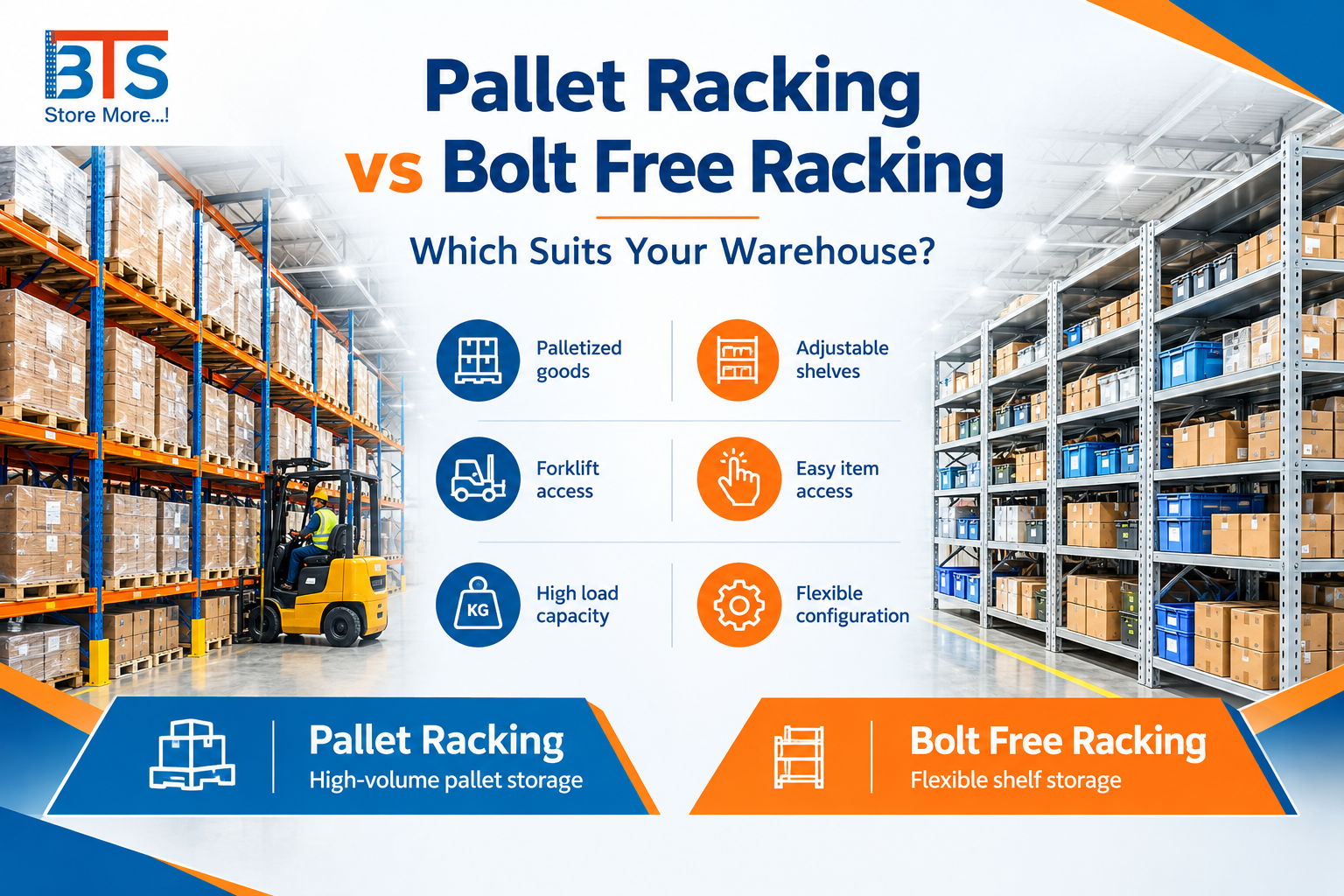
For example, businesses that store goods on pallets may require a pallet racking system, while businesses handling smaller products may benefit more from shelving solutions.
Understanding these requirements helps ensure that the final storage system is practical for everyday warehouse operations.
2. Make Better Use of Available Space
Floor space is valuable in any warehouse. Simply placing products on the floor can quickly create clutter and make movement more difficult.
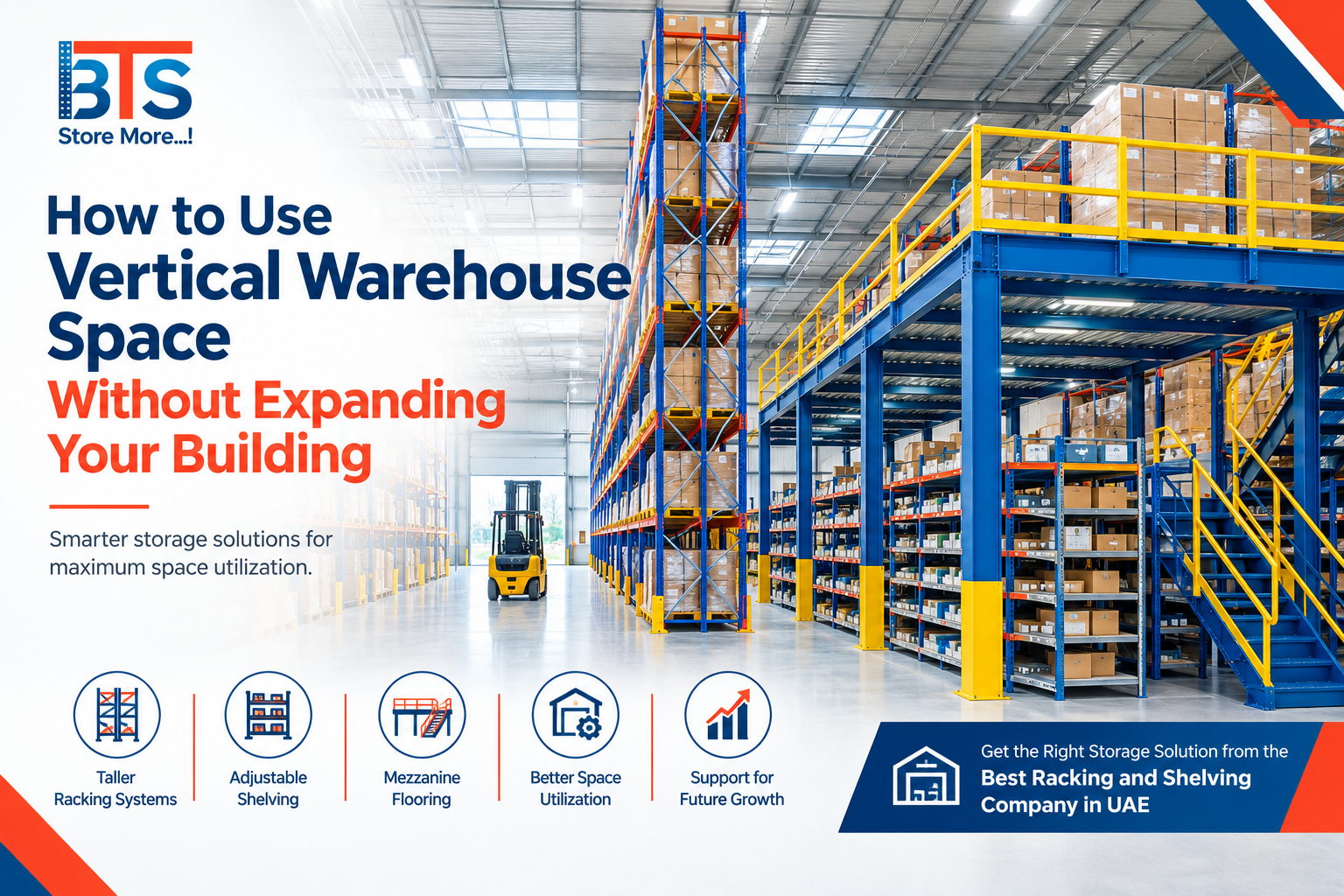
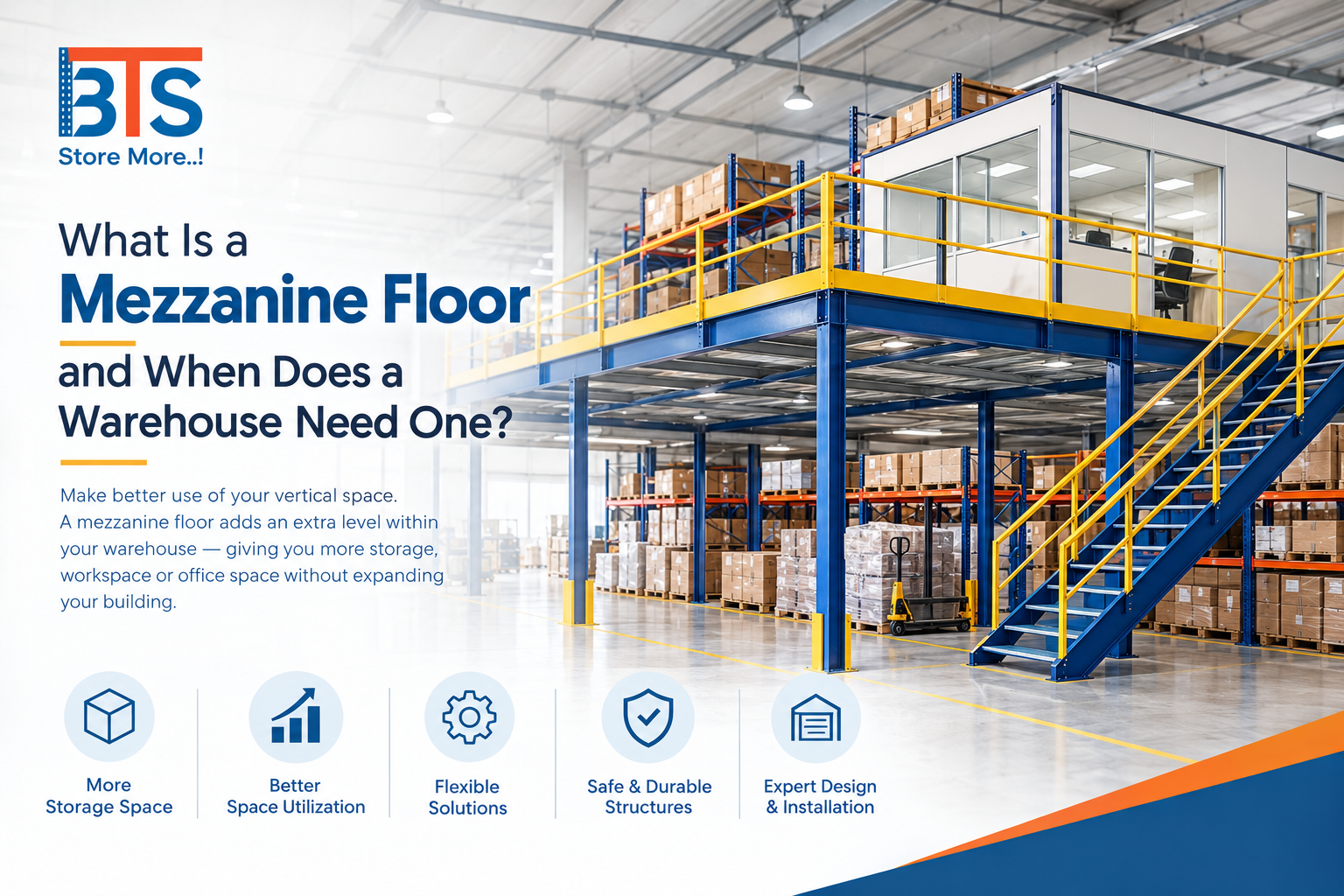
A properly planned warehouse racking system allows businesses to use vertical space as well. By taking advantage of the height of the facility, you can potentially increase storage capacity without expanding the building.
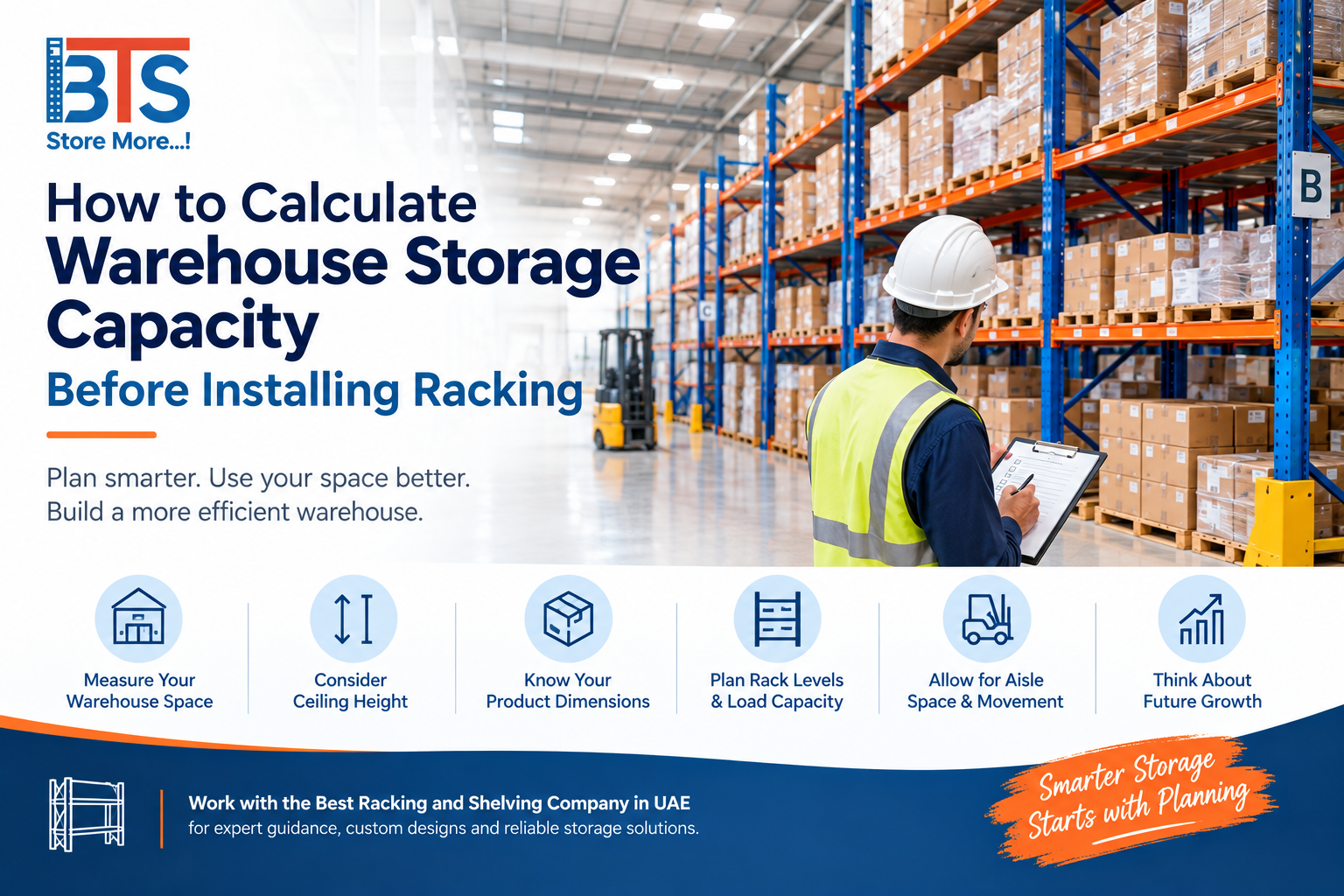
However, vertical storage needs careful planning. Rack height, aisle width, load capacity, ceiling clearance, and access equipment all need to be considered before installation.
Professional warehouse consultation can help identify opportunities to use your existing space more efficiently.
3. Choose the Right Type of Racking
Different storage requirements call for different racking solutions.
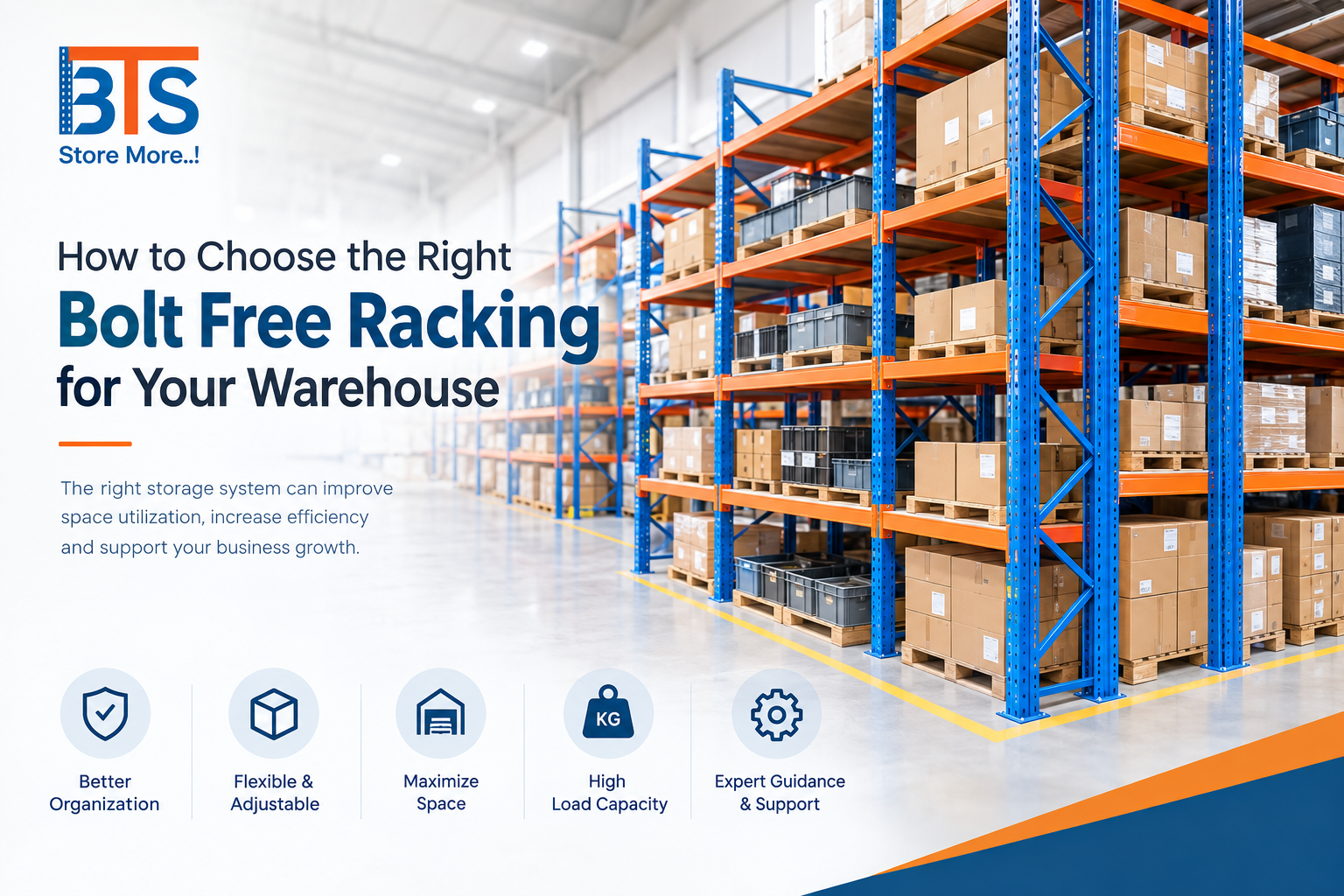
Pallet racking is commonly used for warehouses handling palletized products and larger quantities of inventory. Commercial shelving can be useful for smaller products and organized stock storage. Other industrial storage solutions may be suitable depending on the type of products, available space, and operational requirements.
The important thing is not to choose a system simply because it is popular. The right solution should match the way your warehouse actually works.
4. Consider Custom Design and Engineering
Every warehouse has its own layout and operational challenges. Because of this, a standard storage system may not always provide the best result.
Custom design and engineering can help create a solution based on the available space, product requirements, workflow, and storage capacity.
A professional team can study the warehouse layout and determine the best positions for racks, aisles, loading areas, and access points.
This approach can help businesses create a more practical storage environment while making better use of every available area.
5. Focus on Quality Manufacturing
The performance of a racking system depends not only on its design but also on the quality of the components used.
Strong materials, accurate manufacturing, and proper engineering are important for creating reliable storage systems that can handle the required loads.
BTS Racking provides manufacturing as part of its complete service approach. Having design and manufacturing handled professionally can help ensure that the finished system follows the planned specifications and requirements.
6. Professional Installation Makes a Difference
Once the racking system has been designed and manufactured, proper installation is equally important.
Incorrect assembly or positioning can affect the performance of a storage system. Professional installation helps ensure that the racks are assembled correctly and positioned according to the approved layout.
An experienced installation team can also help businesses complete the project efficiently while reducing unnecessary disruption to warehouse operations.
7. Think About Future Growth
Your warehouse requirements today may not be the same a few years from now.
As your business grows, inventory levels may increase and your storage requirements may change. Therefore, it is useful to consider future expansion when planning a new warehouse racking system.
A well-planned system can provide flexibility for future changes and help businesses avoid replacing their entire storage setup every time their inventory increases.
Maintenance Should Not Be Overlooked
Installing a racking system is only one part of maintaining an efficient warehouse.
Regular inspection and maintenance are important because racks can experience wear, accidental impact, or damage during everyday operations. Identifying issues early can help businesses address them before they become bigger problems.
BTS Racking also provides maintenance and support services to help businesses maintain their storage systems after installation.
Complete Support From Planning to Installation
A warehouse storage project involves several stages. Consultation, design, engineering, manufacturing, project management, installation, and maintenance all contribute to the final result.
Working with a provider that can support the complete process can make the project easier to manage. Instead of coordinating with multiple companies, businesses can have one experienced team involved throughout the project.
BTS Racking provides technical services that cover these important stages, helping businesses develop storage solutions based on their specific requirements. This makes BTS Racking a trusted choice for businesses looking for the Best Racking and Shelving Company in UAE.
Final Thoughts
Choosing the right warehouse racking system is about much more than adding storage space. The right system can improve organization, make better use of your warehouse, simplify inventory handling, and support smoother daily operations.
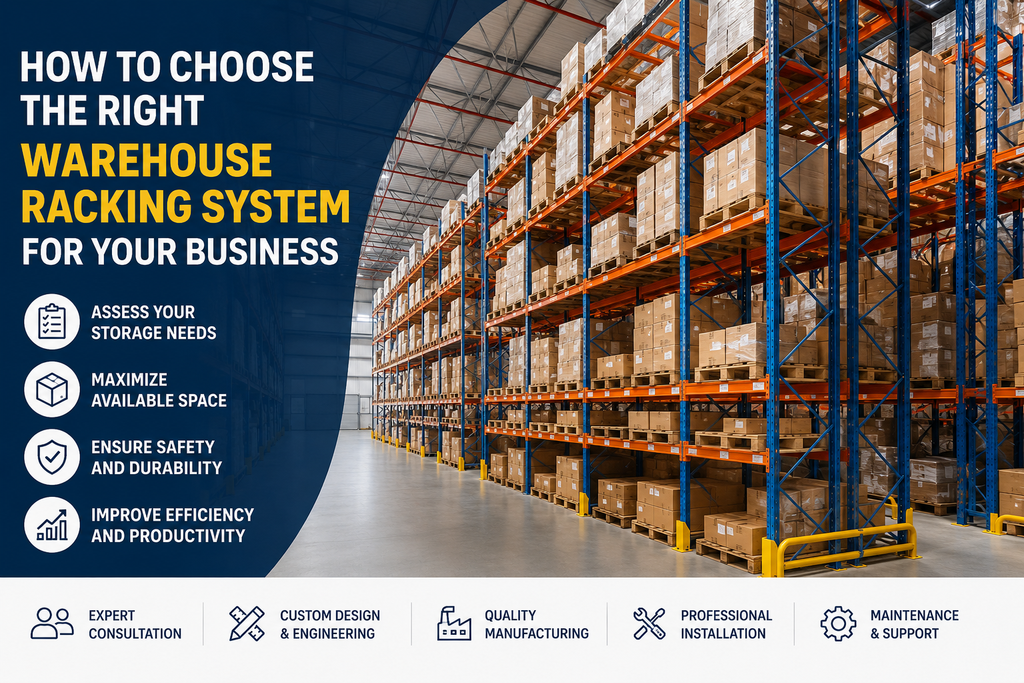
Before making a decision, consider your current storage requirements, available space, product types, workflow, safety requirements, and future growth.
With professional consultation, custom design, quality manufacturing, expert installation, and ongoing maintenance, businesses can create a storage environment that is built to support long-term efficiency.
If you are planning a new warehouse or looking to improve an existing facility, the right warehouse racking solutions can be an important investment in the future of your business.